
 Although most artist's act as if they are me or you but really they are all manufactured to act a certain way. Some artist's and bands are actually made for a specific purpose to try and get a specific target audience, people and bands such as Rage Against The Machine and JoeMcElderry. It will help the artist if they have a USP (Unique Selling Point) which will try to make them stand out against the other artists who are competing with them for the same target market. Pop stars do however have the advantage over film stars mainly because most of them write their own songs and are emotional while film stars have their lines written for them by screenwriters. Dyer quotes that 'A star is an image not a real person that is constructed (as any other aspect of fiction is) out of a range of materials (e.g. advertising, magazines, etc as well as films.'
 But yet the construction process to make pop stars is not actually fully understood. Record companies think that they know all about it but the matter of the fact is that this is not how they are made. TV shows such as The X Factor supposedly show us how stars are made. They perform and are then shaped to fit the kind of music that they will produce and will then get a contract and be set for life. But this is not true stardom which is actually far more complicated than that.
 Pop stars are manufactured by the music industry and the record labels to serve a purpose which is to make money out of their target audience who like certain things about the artist who will then buy their records and become their fans.The record companies shape their stars to different target markets that they can make the most profit out of them as TV talent shows have shown us on many previous occasions. They will try to manufacture what they think the audience will want which is exactly why you will get many boy/teen bands such as One Direction, JLS and The Wanted. But there are those people who realised that their artists change and then do not ten by their records. So the record company then have the responsibility to make their artists or bands seem like real people. Dyer says 'Stars are commodities produced and consumed on the strength of their meanings'.
 The music industry is well aware of the range of audiences that it can sell its artist to. To the perky pre-school kids to the ageing hippy and it does its best to try and reach all ages. One way that they try to produce different stars of different types of music is to constantly change genres of music to ensure to the younger audiences that there is always something or someone with a fresh kind of music. Another way for a star or band to have a long lasting appeal is that once their brand has been established, they can cater to their selected audience for decades e.g. The Rolling Stones. Unfortunately, stars come and go is much like a 'conveyor belt' where a star may be a new thing and be popular but after about two years or albums they will probably. If the audience focus too much on the 'oldies' it will mean the the younger generations will not identify with these stars and will see them as their parent's generation. A healthy music industry will try to reach both types of audiences, the new and the old.
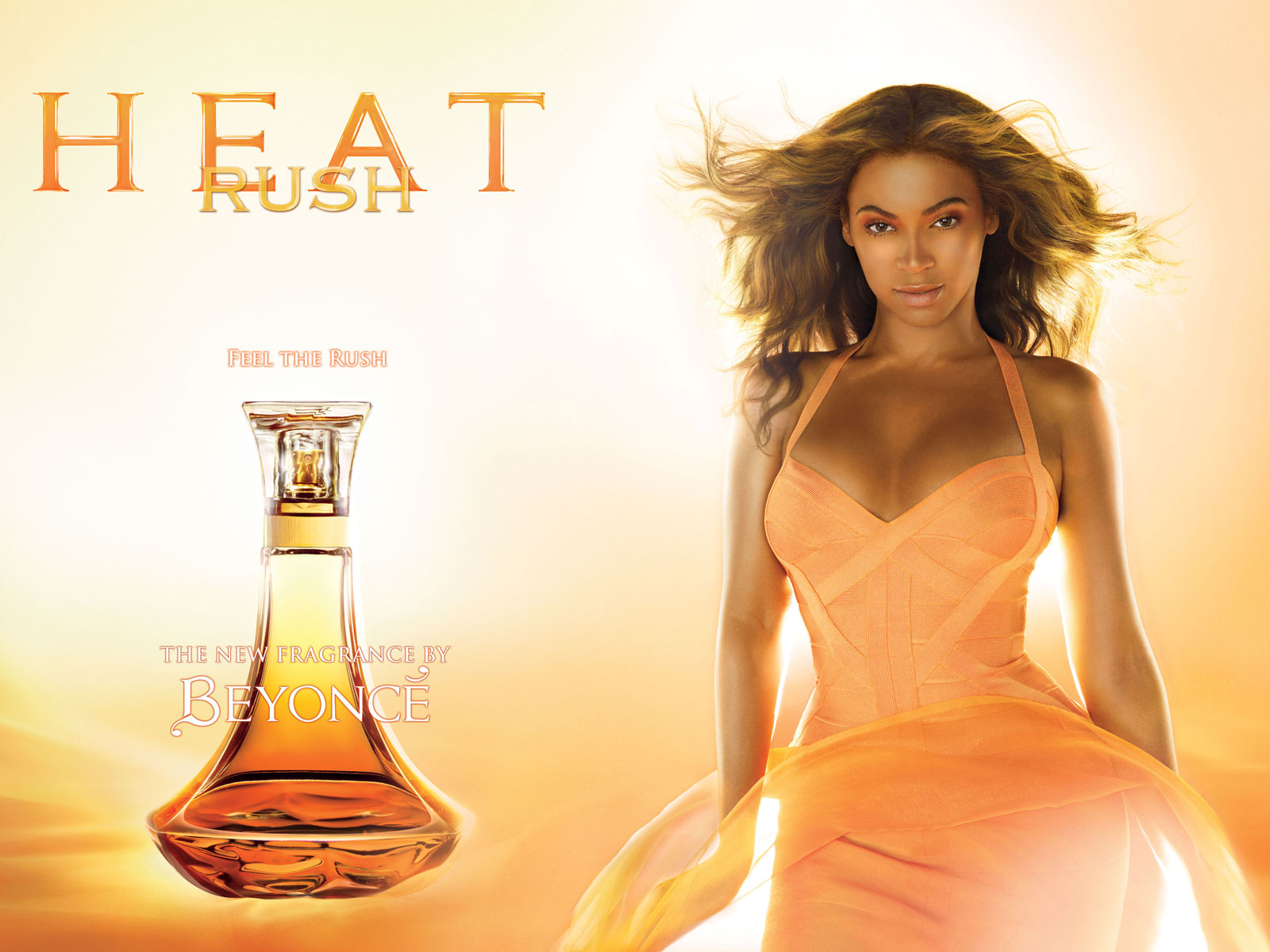
Some stars may share the same cultural values or attitudes and may try to promote a certain ideology. It means that the artist will try and convey their own beliefs and ideas. This could cause the star to start their own fashion trend, with loads of their fans trying to copy their hairstyle or clothing. Stars can start or can benefit from having different kinds of means that their fans can contact them i.e. Twitter and can keep on a running commentary. Now more than ever social networking sites offer the pop stars to be able to show their own beliefs and values outside their music. Stardom and star worship can be seen as a whole culture in itself as there are whole TV shows, magazines, radio shows and websites that are devoted to the star gossip where it seems that there is never enough gossip to keep the audience satisfied.
A star begins a a 'real' person who has then made their way to stardom who already have a back story of how they reached the point that they are now. The star transformation process then turns them into a construct where the record companies can then mould the artist into the target audience that they are trying to reach so that they can make them the most money. We tend to not see them as entirely fictional as we see them as part of a specific generation as the way that they produce their music will show the newer generations exactly what it was like when the artist made their songs at that time; as it makes people focus on 'what people are supposed to be like'. For example, women are supposed to be thin and beautiful. This means that they will support hegemony by following it or objecting it (fat/still loveable). Dyer says
 'In these terms it can be argued that stars are representations of person which reinforce, legitimate or occasionally alter the prevalent preconceptions of what it is to be a human being in this society. There is a good deal at stake in such conceptions. On the one hand, our society stresses what makes them like other in the social group/class/gender to which they belong. This individualising stress involves a separation of the person's "self" from his/her social "roles", and hence poses the individual against society. On the other hand society suggests that certain norms of behaviour are appropriate to given groups of people, which many people in such groups would now with to contest (e.g. the struggles over representation of blacks, women and gays in recent years). Stars are one of the ways in which conceptions of such persons are promulgated.
basically for those who couldn't be asked to read or just didn't bother I'll break it down. Dyer explains how stars are like the icons of our society and how the stars are put into their own sort of category where loads of people look up to them. Pop stars have to establish their character and personality thorough the songs that they create and will try to go for an immediate star identity with their first album. They will generally produce about 45-74 minutes of music which will give the audience a clear indication of the artists interest, moods, appetites and lifestyle at a particular point in time

No comments:
Post a Comment